Muscle Soreness After Workout: Causes and Solutions
Jules Medina · 9/13/2026
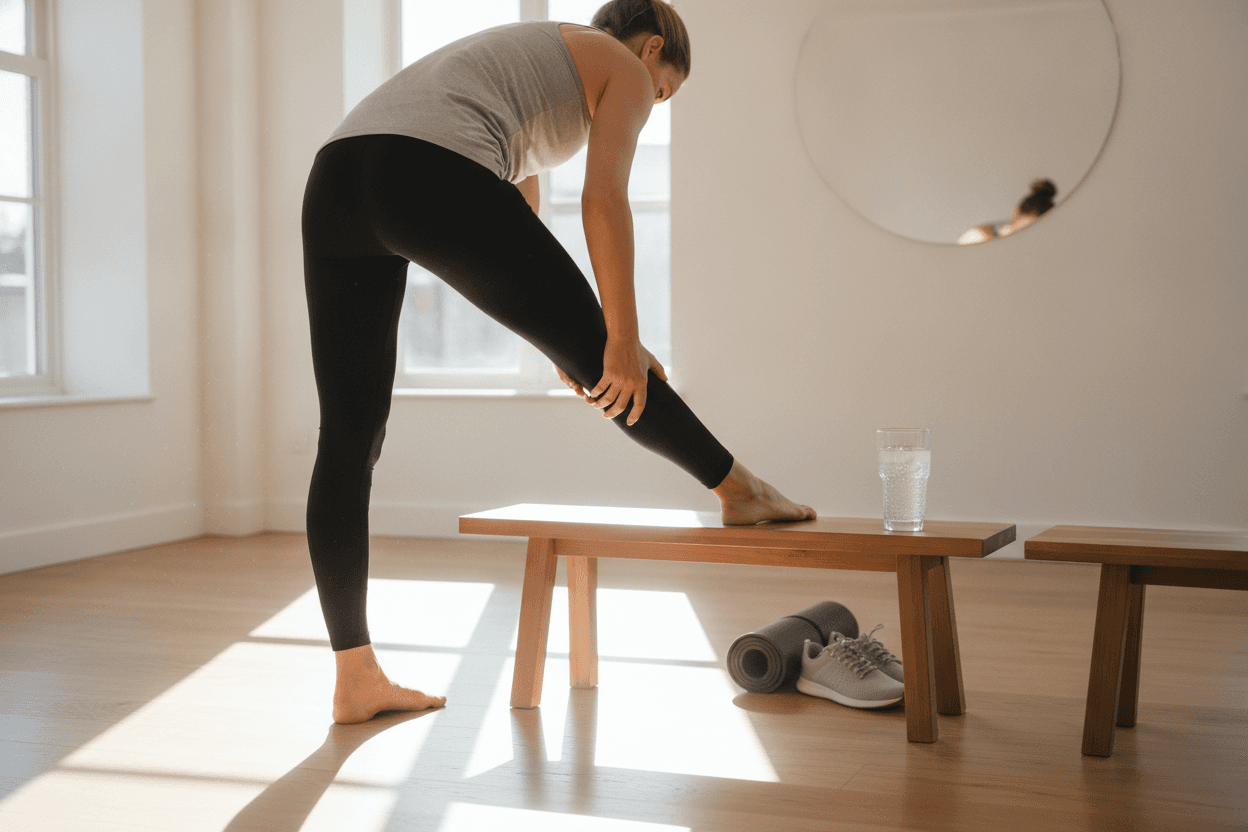
What Causes Muscle Soreness After Workout
The class is always the fun part. Music pumping, your crew all smiles, everybody high-fiving on the way out. Then about 24 hours later the real talk hits and your quads feel like they have their own heartbeat. That is muscle soreness after workout showing up right on schedule. As a spin and HIIT instructor here in Tampa Bay I see it in students from their early 20s to their 60s. I have felt it plenty myself.
Not gonna lie, early in my career I bought every old myth about it. I thought the burn during class caused it. I stretched for hours thinking that would fix everything. Then I started paying attention to the research and my own body. The soreness comes from microscopic tears in the muscle fibers, especially during eccentric moves like the lowering phase of a squat or the back pedal on the bike. It peaks between 24 and 72 hours and usually fades in three to five days.
So here is the plan. We will look at the real causes, rank the methods that actually help with how to relieve muscle soreness, and talk about how to reduce muscle soreness while still enjoying the social side of training. For most of us the workout is only half the fun. The laughs afterward matter too. If you want to understand the formula that pairs hydration with relaxation support, check out the science of athletic recovery.
What Causes Muscle Soreness After Workout
First let us clear up the biggest confusion. It is not lactic acid. That clears out pretty fast after you stop moving. A Harvard-affiliated science summary confirms the soreness comes from actual structural damage at the microscopic level. Eccentric contractions create more of this damage than concentric ones. That explains why downhill running or lowering heavy weights leaves you extra sore.
Men's Health puts the timeline at 24 to 48 hours after unfamiliar or intense work. Cleveland Clinic adds that the discomfort typically begins one to three days later and gradually improves as your muscles repair themselves. If you train three to five times a week this can become a recurring thing, especially when you keep introducing new movements or ramp up volume too quickly.
In my classes I notice it most when we add sprint intervals or heavy resistance that students have not done in a while. Understanding the cause helps you respond smarter instead of just suffering through it. Your body is adapting. The soreness is a side effect of that process, not a badge of honor or a guarantee of gains.
Know your tolerance? The 10mg collection carries a fuller dose of Delta-9 THC and CBG.
Browse 10mg THC DrinksWhat Science Says About Effective Athlete Recovery
A 2025 PMC review analyzed dozens of studies on non-pharmacological ways to handle delayed onset muscle soreness. Massage came out on top with impressive effect sizes between Hedges g of negative 2.26 and negative 0.40 for both soreness and fatigue. Active recovery, compression garments, and cold therapy also showed solid support. No single method erases the soreness completely, but some clearly speed up how fast you feel ready to train again.
A 2026 systematic review took a stricter look and concluded that stretching should not be your primary tool for muscle soreness relief. Your body handles most of the repair work in those first 48 hours. Many popular interventions only add marginal benefits on top of that natural process. This one surprised a lot of my coaching clients who grew up believing static stretches after class were non-negotiable.
The Harvard-affiliated science summary reinforces that light movement and alternating heat or cold often outperform complete rest. Weird, right? Complete rest can actually prolong stiffness. Gentle activity helps clear waste products and brings fresh blood flow without adding more damage. Cleveland Clinic agrees that massage, light movement, and temperature therapies are sensible at-home strategies.
These findings line up with what I have seen coaching group fitness. The athletes who stay most consistent combine a couple of these methods instead of hunting for one magic solution. Many also layer in hydration and stress management, because cortisol from poor sleep or constant rushing can slow everything down. This is one reason functional beverages designed for recovery have become part of my own routine and recommendations.
Practical Tips for How to Reduce Muscle Soreness
What if your recovery plan doubled as social time with your training buddies? That question changed how I approach post-class plans. Instead of skipping the hang to nurse soreness at home, I look for choices that support both physical repair and mental wind-down.
Foam rolling for 20 minutes after training stands out in the practical research. One NASM-aligned resource found it paired with good hydration can cut soreness perception by up to 30 percent. I keep a roller in the studio and we often roll together while recapping the class. Slow rolls over the tight spots, but stop before it becomes painful. The goal is to encourage blood flow, not to beat the muscle into submission.
Active recovery beats sitting still the next day. A 20-minute easy walk or very light spin at conversation pace helps more than lying on the couch, according to the meta-analysis data. Schedule it like an actual workout. My regular students who do this report feeling less stiff by day three.
Nutrition timing matters too. Getting electrolytes and protein soon after training supports the repair environment. Ashwagandha and ginger can help modulate your stress response so you recover faster between sessions. This is where a can of orange flavored recovery seltzer fits perfectly for a lot of people I know. It delivers those ingredients in a low-calorie sparkling drink that honestly feels like a treat after class.
If you are new to hemp-derived options, start with the 5mg hemp derived seltzer collection. More experienced folks often prefer the 10mg Delta 9 collection. Both pair well with the other recovery habits above. You can browse low-calorie athletic cocktails to see the full lineup, or use our local store locator if you want to grab some on the way home from the gym.
Track your response with whatever wearable you already wear. Compare recovery scores after nights you use this stack versus nights you do not. The data usually speaks clearly. I also point people to our hemp derived THC FAQ when they have questions about how it all works legally and practically.
Busting the Biggest Myths About Muscle Soreness Relief
Does Soreness Mean You Are Building Muscle?
This myth refuses to die in locker rooms. Soreness is not a dependable sign of growth. Some of the biggest gains happen with barely any soreness once your body adapts. Our full breakdown on soreness and growth covers the studies if you want to nerd out on it.
Will Stretching Fix Everything?
The 2026 systematic review says no. Stretching has limited impact compared with massage or active recovery. I still stretch because it feels good and keeps my mobility, but I no longer treat it as the main muscle soreness relief tactic.
Do You Have to Tough It Out Alone?
Absolutely not. The social side of training keeps most of us coming back. From my bartending years I watched the sober-curious crowd search for better options in real time. A functional drink that supports hydration and relaxation without alcohol makes those post-workout hangs sustainable.
Wrapping It Up With What Matters Most
Managing muscle soreness after workout comes down to respecting the process while stacking small habits that keep you consistent. The research is clear that massage, light movement, hydration, and smart nutrition give you the best return. Adding a social element makes it easier to stick with long term.
So pick one new tactic from this piece and test it after your next hard session. Maybe it is foam rolling while you chat with friends, or swapping one drink for something that lines up with your goals. Notice how your body and your mood respond over two weeks. For me it turned recovery from a chore into something I actually look forward to. Your training community is waiting. Show up ready.
Ready to make recovery part of the routine? Browse 10mg THC Drinks or compare the full THC seltzer lineup.
References
- Delayed Onset Muscle Soreness (DOMS): What It Is & How to Manage It — https://my.clevelandclinic.org/health/diseases/delayed-onset-muscle-soreness
- Advances in Non-Pharmacological Strategies for DOMS — https://pmc.ncbi.nlm.nih.gov/articles/PMC12641786/
- What Is Delayed Onset Muscle Soreness? — https://www.menshealth.com/fitness/a69839705/delayed-onset-muscle-soreness/
- Effectiveness of recovery methods in reducing delayed onset muscle soreness — https://apcz.umk.pl/QS/article/view/66860
- Why You’re Sore After Working Out (It’s Not Lactic Acid) — https://scienceinsights.org/why-youre-sore-after-working-out-its-not-lactic-acid/
Responsible Use Note: Last Rep contains hemp-derived Delta-9 THC. Consume responsibly, start low, and check local laws. Not for use if under 21, pregnant, or operating machinery. Consult a healthcare professional for personalized advice.